
KI-AI: automating engineering with data-driven solutions
We have invested heavily in bringing automation to engineering workflows through data-driven solutions. Our mission is to help engineers reduce time spent on repetitive tasks, improve efficiency, and focus on more critical design challenges.
We leverage machine learning, intelligent automation, and data-driven methods to optimize engineering work. By integrating these technologies, we aim to develop solutions that enhance productivity and enable engineers to tackle complex problems more effectively.
NB: This article was originally published on the KI-AI website. KI-AI merged with Crestia on December 2, 2024. Learn more: Crestia expands AI capabilities with KI-AI merger.
As we launch, we are already working on our first major project, which demonstrates how automation can transform foundation design for energy infrastructure.
ML-driven foundation engineering for energy infrastructure
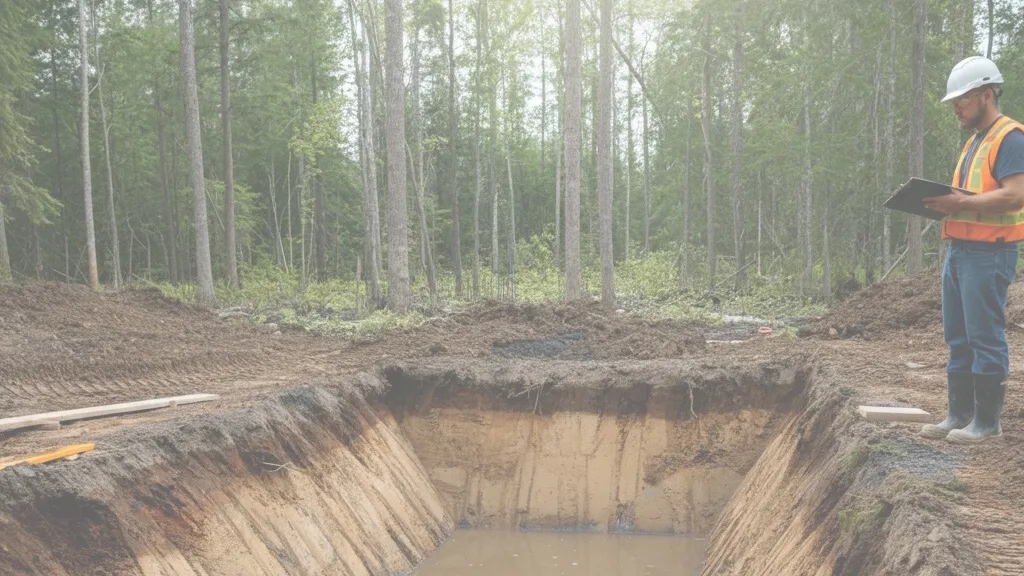
We are currently collaborating with a leading energy infrastructure engineering firm to explore ways to automate the foundation design process for transmission towers. This project is in its early stages, but it highlights the potential for machine learning and intelligent automation to streamline complex engineering workflows.
Foundation design for transmission towers requires extensive analysis of soil reports, structural requirements, and environmental factors. The traditional process involves manual data extraction, iterative calculations, and documentation preparation, all of which are time-consuming and prone to human error.
Our goal is to develop a solution that improves speed, accuracy, and scalability in this workflow.
ML-powered engineering automation
As part of this project, we are designing an ML-driven system to assist with foundation engineering tasks, including:
- Automated Data Parsing: Extract key information from soil reports, geotechnical data, and tower specifications to reduce manual input.
- Machine Learning Predictions: Use historical data to predict optimal foundation designs based on soil conditions and structural constraints.
- Automated Documentation: Generate design reports and calculations programmatically to minimize manual drafting and improve accuracy.
While still in development, early results point to possible benefits:
- Shorter design time. Automating manual processes allows engineers to focus on higher-level decision-making.
- Better accuracy. Machine learning minimizes human error and ensures standardized outputs.
- More efficient project management. Streamlined workflows help manage projects more effectively without increasing workload.
Toward broader engineering automation
This project is an example of how machine learning and automation can transform engineering workflows. We develop solutions that improve engineering productivity and make ML a natural part of design processes.
As we continue to refine our methods, we welcome discussions with engineering firms looking to explore automation in their workflows.
For more information about us and our approach to engineering automation, contact us.
Looking for expert solutions? Discover Crestia's professional services today.